
The Solar Battery Rebate is Changing — Here's Why Now is the Time to Act
If you've been thinking about adding a battery to your solar system, there are two very good reasons to stop thinking and start doing — and both of them have a deadline.
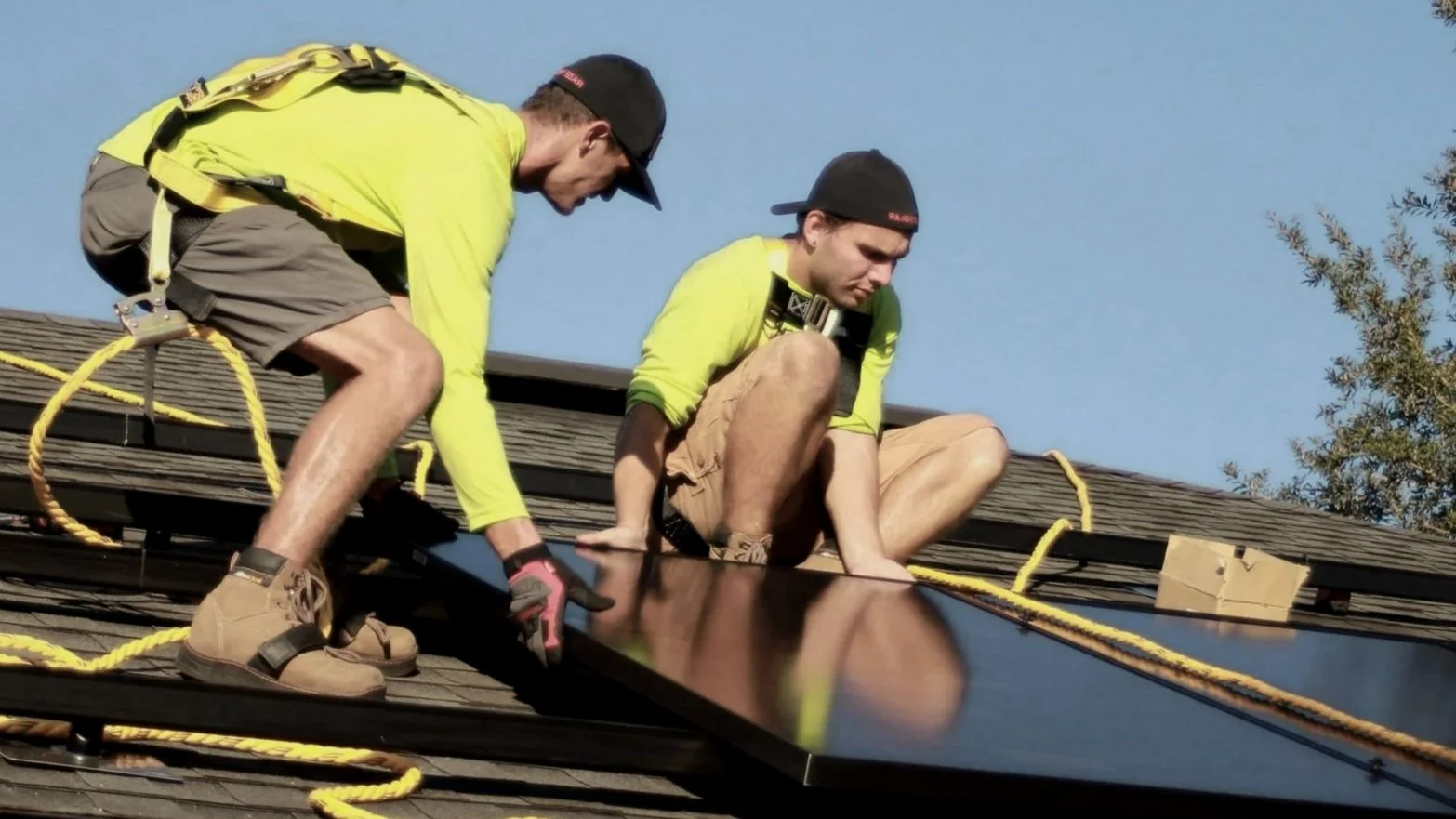
The Federal Battery Rebate
Since 1 July 2025, the Australian Government has been offering around a 30% discount on the upfront cost of eligible home battery systems through the Cheaper Home Batteries Program. The discount is applied directly by your installer — you don't need to claim anything separately.
For a typical 10kWh battery, that's approximately $3,700 off the installed cost. For a 13–14kWh system, it's closer to $5,000–$6,000.
The discount is applied at point of sale by your installer — you see the reduced price in your quote from day one.
What's Changing on 1 May 2026
The rebate isn't disappearing, but it's getting meaningfully less generous. From 1 May 2026, two changes come into effect:
The rebate declines faster — every six months instead of annually
Larger batteries receive less support — the full rebate only applies to the first 14kWh of battery capacity, with reduced support for anything beyond that
In dollar terms, the rebate per usable kWh drops from approximately $311 to $252 from May onwards — and continues declining every six months after that until 2030.
If you're considering a larger battery system above 14kWh, the difference in rebate value before and after 1 May is particularly significant.
Why This Matters for Your Green Home Loan
Here's where it gets interesting. Adding a battery to your solar system doesn't just reduce your energy bills — it can also help you qualify for a discounted green home loan interest rate.
Our current green home loan rate is 5.6%. Comparison rates at other banks currently range from 5.89% to 6.09%. And unlike many green loan discounts that only apply for a limited introductory period, this rate applies for the full 30-year loan term.
With interest rates having risen significantly since 2022, that difference is now worth more in dollar terms.
On a $700,000 loan, switching to a green home loan could save you over $2,700 per year in interest — and over $70,000 across the life of a 30-year loan.
That's not a short-term introductory discount. It's a saving that compounds across the entire life of your loan.
The combination of a maximised battery rebate now, plus a discounted green home loan rate locked in for 30 years, is a genuinely compelling financial case. Each one is valuable on its own. Together, they compound.
Two Deadlines, One Decision
1 May 2026 — battery rebate reduces, particularly for systems above 14kWh
23 June 2026 — the Residential Efficiency Scorecard closes, removing one pathway to green loan eligibility for existing homes
Both deadlines are approaching quickly. If you're planning energy upgrades and want to make the most of both the battery rebate and a green home loan, the window to act is now.
At Sustainable Home Loans, we can help you understand whether your home already qualifies for a green home loan, or what upgrades would get you there — and how to structure the financing to get the best result.
Please get in touch if you'd like to talk through your situation.